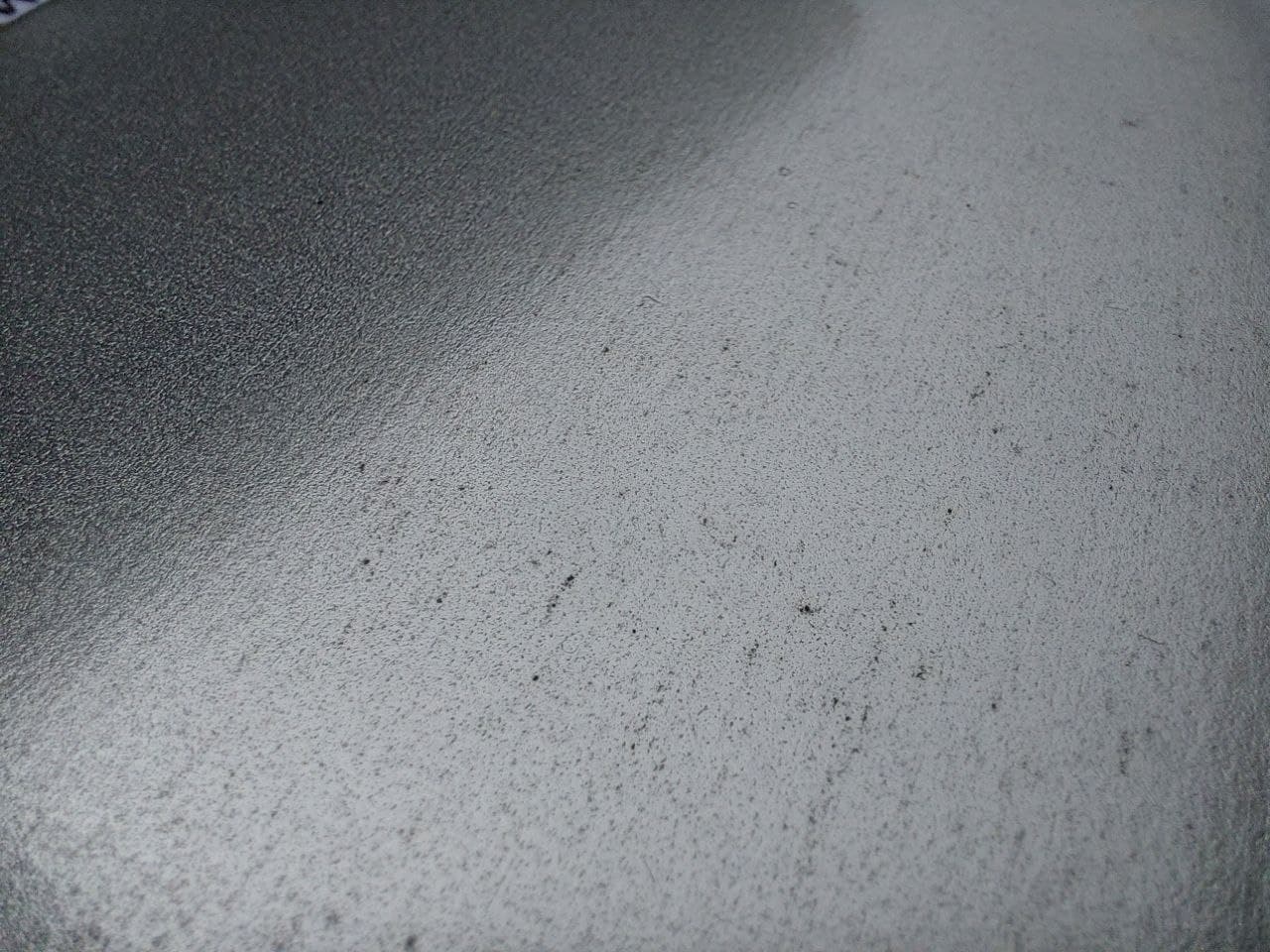
Stainless
Stainless Steel Sheet in Coil

Stainless Steel
Manufacturing Process
-
1
Steel Melting (EAF) (Steel Melting (EAF))
Melt steel with chromium, nickel, and molybdenum in an electric furnace
-
2
Casting (Casting)
Cast into slabs or billets via Continuous or Ingot Casting
-
3
Rolling (Rolling)
Hot-rolled then cold-rolled to achieve required dimensions and surface finish
-
4
Annealing & Quenching (Annealing & Quenching)
Annealed and quenched for optimal mechanical properties and corrosion resistance
Properties
-
Corrosion Resistance
Chromium forms an oxide film that provides excellent rust protection
-
Strength & Ductility
High strength and ductility, suitable for demanding applications
-
Aesthetic Appeal
Shiny, attractive surface popular in decorative and design applications
Applications
-
Food & Beverage Industry — Storage tanks, boiling equipment, and kitchen utensils
-
Medical Industry — Surgical instruments and medical devices
-
Automotive & Aerospace — Parts requiring high durability and safety
-
Construction Industry — Building structures, bridges, and interior decoration
-
Energy Industry — Power plant equipment and oil & gas pipelines
Summary
Stainless steel is a corrosion-resistant and aesthetically appealing product. Its complex production process and chromium content give it outstanding properties that are in high demand across industries requiring cleanliness, aesthetics, and durability.